Login
Who's On Line
We have 175 guests and no members online
MailChimp Signup
Subscribe to Newsletter




Most Read Posts

Job Beyond the Verses
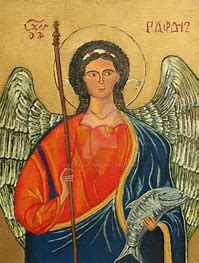
Job Beyond the Verses
....................................
.................................................
The Book of Job tells the story of a righteous man tested by immense suffering, exploring
faith, human understanding, and God’s sovereignty.
Overview
The Book of Job, part of the wisdom literature of the Old Testament, centers on Job, a
man described as blameless, upright, and devoted to God. The narrative begins in the
land of Uz, where Job enjoys wealth, a large family, and good health. In a heavenly
scene, Satan challenges Job’s faith, claiming he is righteous only because of his
blessings. God permits Satan to test Job, setting limits on the harm he can inflict.
----------
--------------------------------
Job’s Trials
Job experiences catastrophic loss: his children, wealth, and health are taken away,
and he is afflicted with painful sores. Despite his suffering, Job remains faithful,
famously declaring, “The Lord gave, and the Lord has taken away; blessed be the
name of the Lord”. His wife urges him to curse God and die, but Job refuses.
..........................
..........................................
Dialogues and Friends
Three friends—Eliphaz, Bildad, and Zophar—come to comfort Job but insist his
suffering must be punishment for sin. Job defends his innocence and laments his
condition, questioning why the righteous suffer. These dialogues, expressed in
poetic form, explore human attempts to understand suffering and divine justice.
A younger man, Elihu, later offers a perspective that suffering can serve as
discipline or a test, emphasizing God’s wisdom beyond human understanding.
......................
................................
Encounter with God
God finally responds to Job out of a storm, asking questions that highlight the
limits of human knowledge and the vastness of divine wisdom. Job realizes
the sovereignty of God and repents for questioning Him, acknowledging that
human understanding is limited.
.......................
.................................
Restoration and Lessons
After Job’s trials, God restores his health, wealth, and family, granting him even
greater prosperity than before. The book teaches several key lessons:
faithfulness in suffering, the limitations of human wisdom, the
justice and sovereignty of God, and the purpose of trials in refining
character. It also foreshadows the ultimate redemption through Christ,
addressing the gap between human imperfection and divine holiness.
Key Themes
- Suffering and Faith: True faith persists even in adversity.
- Divine Sovereignty: God’s wisdom and purposes surpass human
- understanding.
- Justice and Righteousness: The righteous may suffer, and the
- wicked may prosper temporarily, but ultimate justice belongs to God.
- Human Limitation: Humans cannot fully comprehend the reasons for suffering.
The Book of Job remains a profound exploration of why good people suffer, - offering timeless insights into faith, perseverance, and trust in God's plan.
....................
Reference: Co- Pilot.
.....................................
The Dark Fate of the Soldier who Crucified Jesus on the Cross

The Dark Fate of the Soldier who Crucified Jesus on the Cross
..............
........................................
The soldiers involved in the crucifixion of Jesus faced varied fates,
with some potentially meeting tragic ends while others may have
found salvation.
Fate of the Soldiers
...................................
...............................
Immediate Aftermath: After the crucifixion, the soldiers who
executed Jesus were likely to have continued their military duties.
The Gospels indicate that they were involved in the mocking and
execution of Jesus, and they cast lots for His garments, showing
a lack of remorse for their actions.
.......................
...............................
Centurion's Reaction: The centurion in charge of the execution,
who witnessed the events surrounding Jesus' death, famously declared, "
Truly this was the Son of God!" (Matthew 27:54). This statement suggests
a moment of realization and potential conversion, indicating that some
soldiers may have experienced a change of heart after witnessing the
miraculous events during the crucifixion.
..............................
..............................
Longinus: One soldier, traditionally named Longinus, is said to have
pierced Jesus' side with a spear. According to later Christian tradition,
he converted to Christianity after this act and is venerated as a saint
in various Christian traditions. His story reflects the possibility of
redemption for those who participated in the crucifixion.
...........................
............................
Historical Accounts: While the Bible does not provide detailed
accounts of the fates of all soldiers, historical interpretations suggest
that some may have faced judgment for their actions, while others
could have found mercy and salvation through faith in Jesus.
.............................
............................................
In summary, the soldiers who crucified Jesus had varied experiences,
with some potentially facing tragic ends due to their roles, while others,
like the centurion, may have found redemption and faith in Christ.
The narratives surrounding these soldiers highlight themes of justice,
mercy, and the possibility of transformation.
.................................
Reference: Co-Pilot
......................................
What Happened to Jesus's 12 Apostles
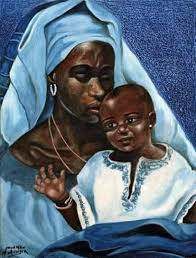
What Happened to Jesus's 12 Apostles
..........
...........
The apostles of Jesus faced various forms of persecution and martyrdom as they spread
the message of Christianity. Here's a brief overview of their fates:
...................
...................
Peter: Crucified upside down at his request, Peter is believed to have preached in Asia
Minor and Greece, where he is said to have been crucified. He is also said to have been
the first to bring the gospel to the land of the man-eaters in what is now the Soviet Union.
....................
.................
James, the son of Zebedee: Executed by Herod around 44 AD. His body was transported
to Santiago de Compostela, Spain, where it is believed he evangelized.
........................
.............................
John: The beloved disciple, John shared memorable moments with Jesus, including the
Transfiguration and the crucifixion. He lived in exile on the island of Patmos and wrote
the Gospel of John and the Book of Revelation.
..........
.................
Andrew: Martyred via crucifixion around A.D. 60.
....................
...................................
Philip: Martyred in Hierapolis, Turkey.
............
..................
Bartholomew: Martyred by beheading or flaying alive.
...................
.................
Thomas: Suffered martyrdom in India.
........
.......................
Matthew: Went to Ethiopia.
.......................
James, the son of Alphaeus: Martyred by stoning in Jerusalem
in the A.D. 60s.
..............
...............
Thaddeus: Martyred by stoning in Jerusalem.
..........
....................
Simon, the Zealot: Martyred by stoning in Jerusalem.
.................................
.......................................
Judas Iscariot: Betrayed Jesus and hanged himself.
........................
............................
...........
Reference: Co-Pilot
.............
Book of Judges
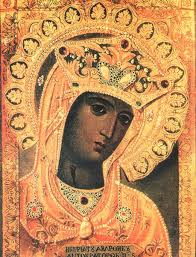
Book of Judges
The Book of Judges recounts Israel’s cycle of sin, oppression, repentance, and deliverance
under leaders called judges, highlighting both human failure and God’s faithfulness.
.........................................
Overview and Historical Context
The Book of Judges is the seventh book of the Bible, covering the period between the
death of Joshua and the establishment of the monarchy in Israel, roughly from 1400 to
1050 BC. It spans about 330 years and illustrates Israel’s repeated disobedience to God,
their moral and spiritual decline, and the consequences of idolatry. The book is set in a
time “when there was no king in Israel,” emphasizing the need for godly leadership.
..........................................................
Structure
Judges can be divided into three main sections:
Double Prologue (Chapters 1:1–3:6): Introduces Israel’s failure to fully conquer
Canaan and their moral compromise by adopting Canaanite practices.
Main Body (Chapters 3:7–16:31): Contains stories of the twelve judges, showing
a downward spiral in leadership quality and Israel’s repeated cycles of sin and deliverance.
Double Epilogue (Chapters 17–21): Highlights societal corruption and lawlessness,
illustrating the consequences of Israel doing “what was right in their own eyes.”
.............
The Cycle of Sin
A recurring pattern defines the narrative: Israel sins by worshiping false gods and abandoning
God’s commands.
God allows oppression by surrounding nations as a consequence.
The Israelites cry out to God for help.
God raises a judge to deliver them.
Peace is restored temporarily, but the cycle repeats after the judge dies.
Deborah (Judges 4–5): A prophetess and judge who leads Israel to victory
over Sisera’s army, demonstrating that God can use anyone to accomplish
is purposes.
Gideon (Judges 6–8): Delivers Israel from the Midianites with only 300 men,
showing God’s power over human weakness.
Jephthah (Judges 10–12): Makes a tragic vow that results in the sacrifice
of his daughter, illustrating the dangers of rash promises.
Samson (Judges 13–16): Known for his extraordinary strength and flaws, he
defeats the Philistines but ultimately dies in the process, foreshadowing the need
for a perfect deliverer.
............
...............
Key Judges and Stories - Themes and Lessons
God’s Faithfulness: Despite Israel’s repeated failures, God remains merciful and
raises leaders to deliver His people.
Consequences of Disobedience: Turning away from God leads to oppression,
moral corruption, and societal chaos.
Need for Godly Leadership: The book emphasizes the importance of righteous
leaders and foreshadows the coming monarchy and ultimately the Messiah.
Human Weakness and Divine Power: Stories like Gideon’s and Samson’s highlight
that God’s strength is made perfect in human weakness.
The Book of Judges serves as both a historical account and a moral lesson, illustrating
The Book of Judges serves as both a historical account and a moral lesson, illustrating
the dangers of idolatry, the cyclical nature of sin, and the enduring mercy of God.
It sets the stage for the eventual establishment of a monarchy in Israel and underscores
humanity’s need for divine guidance.
.................
Reference: Wikipedia.
................................
Articles-Latest
- Pope Leo's Travels 2026
- Donald Trump Insults Pope Leo
- Secrets of the Vatican
- Jews - Hebrews - Israelites - What is the Difference
- Easter Sunday Celebrations
- Job Beyond the Verses
- The Dark Fate of the Soldier who Crucified Jesus on the Cross
- What Happened to Jesus's 12 Apostles
- Book of Judges
- Fasting & Praying
- Pope Leo's Visit to Monaco
- Spiritual Warfare
- Prayers for Healing
- Night Prayers
- Prayers - To start your Day
- Palm Sunday 2026
- The 12 Tribes
- Revelations
- The Last Days
- The Book of Psalms
Articles-Most Read
- Home
- Plants that feel and Speak
- Let There Be Light
- The Singing Forest
- The Singing Forest-2
- Introduction
- Meditation
- Using Essential Oils for Spiritual Connection
- Making the Spiritual Connection
- Plants that Feel and Speak-2
- Heaven Scent
- Purification
- Anointing
- The Sanctity of Plants
- Essential Oils: The unseen Energies
- The Aroma Of Worship-Foreward
- Methods Of Use
- Spiritual Blending
- The Aroma Of Worship - Introduction
- Handling and Storage