Login
Who's On Line
We have 69 guests and no members online
MailChimp Signup
Subscribe to Newsletter


Most Read Posts

Pope Leo's Travels 2026
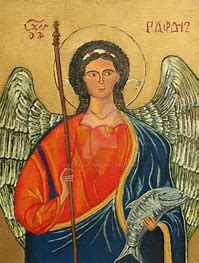
Pope Leo's Travels 2026
Pope Francis visited multiple African countries to promote peace, social justice, and solidarity
with the poor and marginalized, leaving a lasting impact on the continent.
Overview of Visits
Pope Francis made five trips to Africa, visiting 10 countries including Kenya, Uganda,
Central African Republic, Algeria, Cameroon, Angola, and Equatorial Guinea. His visits
were often to regions experiencing conflict, poverty, or social unrest, reflecting his
commitment to addressing urgent humanitarian and social issues. The pontiff’s trips
were not only ceremonial but deeply pastoral, emphasizing solidarity with the
vulnerable and marginalized populations.
...........
Key Themes and Messages
During his African visits, Pope Francis consistently focused on:
Peace and reconciliation: He engaged with communities affected by war and
civil unrest, such as in the Central African Republic and Sudan, advocating
dialogue between conflicting groups.
2
Social justice and anti-corruption: He denounced economic inequality,
“new forms of colonialism,” and the hoarding of resources by wealthy
minorities, urging societies to support the poor.
..........
Support for migrants and refugees: Pope Francis highlighted the plight of
African migrants, emphasizing that they should be welcomed, supported, and
integrated into host communities.
1
Environmental and human dignity: Linking ecological concerns with social
justice, he stressed the need for an “ecological conversion” to protect both the
environment and human life.
...........
Notable Visits and Actions
Kenya (2015): Celebrated Mass in the Kangemi slum, addressing urban
exclusion and poverty, and visited the University of Nairobi, focusing on
family and child protection.
Central African Republic (2015): Entered Muslim neighborhoods amid
religious tensions, promoting interfaith dialogue and reconciliation.
Bangui and other conflict zones: Engaged directly with communities
affected by civil war, demonstrating courage and solidarity with those living under threat.
Legacy in Africa
Pope Francis’ African visits reinforced the Church’s presence on the continent, emphasizing
compassion, inclusivity, and advocacy for the marginalized. African leaders praised
his servant leadership and commitment to justice, noting that he amplified the voices of
the voiceless and championed peace. His approach combined spiritual guidance with
practical engagement, leaving a lasting impression on both local communities and the
broader African Catholic population, which represents about 20% of the world’s Catholics.
In summary, Pope Francis’ visits to Africa were marked by bold pastoral outreach,
In summary, Pope Francis’ visits to Africa were marked by bold pastoral outreach,
advocacy for social justice, and efforts to foster peace and reconciliation,
establishing a model of papal engagement that prioritized the continent’s most pressing
humanitarian and social
Reference: Co-Pilot
.......................
Secrets of the Vatican
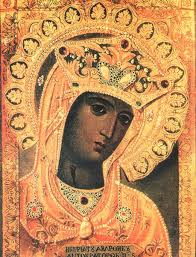
Secrets of the Vatican
The Vatican holds centuries of hidden knowledge, secret archives, unusual artifacts, and
controversial historical records, blending verified facts with enduring myths.
...................................................
.......................................
The Vatican Apostolic Archive
The Vatican Apostolic Archive, formerly known as the Vatican Secret Archive, contains over
12 centuries of documents, including state papers, correspondence, and account books,
spanning 53 miles of shelving and 35,000 catalogued volumes. While the term "secret"
originally referred to the pope’s private ownership rather than confidentiality, many modern
documents remain classified, particularly those post-1958 or involving private records
of church figures after 1922. Scholars have limited access, and the archive is considered
one of the most extensive and mysterious repositories of historical records in the world.
........................................
...........................................
Unusual Artifacts and Rumors
The Vatican is rumored to house extraordinary and sometimes bizarre items. For example,
the skeleton of Pope Leo X’s pet elephant, Hanno, is confirmed to exist. Other claims,
such as the existence of a Chronovisor—a supposed time-travel device that captured
the crucifixion of Jesus—remain unverified and widely regarded as myth. These
stories contribute to the Vatican’s aura of mystery and intrigue.
.....................................
............................................
Controversial Historical Secrets
The Vatican has been linked to several historical controversies. Allegations include assisting
Nazi fugitives in escaping postwar Europe, profiting indirectly from Holocaust-era assets,
and financial scandals involving the Vatican Bank (IOR). Additionally,
the Vatileaks scandal of 2012 exposed internal corruption and blackmail within the clergy,
highlighting the Vatican’s complex and sometimes opaque internal operations.
.............................................
...................................................
Religious Practices and Mystical Claims
The Vatican also maintains practices that are largely hidden from the public. For instance,
exorcism remains an active practice, with the late Father Gabriele Amorth claiming to
have performed over 100,000 exorcisms during his service. Other mystical claims include
prophetic visions, alleged alien influences, and missing books of the Bible
(Apocrypha), though many of these remain speculative or disputed.
.........................................
....................................
Cultural and Symbolic Mysteries
Beyond documents and artifacts, the Vatican’s architecture, secret corridors, and
ceremonial traditions contribute to its enigmatic reputation. Rumors of forbidden
areas, hidden chambers, and restricted access reinforce the perception of a city-state
that guards its secrets closely, blending historical fact with legend.
.....................................
The Vatican’s secrets, therefore, range from documented historical archives and
verified artifacts to mythical claims and controversial allegations, making it a
unique intersection of religion, history, and mystery.
..............................
Reference: Co - Pilot
,,,,,,,,,,,,,,,,,,,,,,,,,,,,,,,,
Jews - Hebrews - Israelites - What is the Difference
Jews - Hebrews - Israelites - What is the Difference
.Hebrews, Israelites, and Jews all refer to the descendants of Abraham, Isaac, and Jacob,
but each term emphasizes a different aspect of their identity and historical context.
..............................
..................................
Hebrews
The term Hebrews is the earliest designation, first applied to Abraham in Genesis
14:13. It derives from the Hebrew root ‘avar, meaning "to cross over," reflecting
Abraham’s journey from Ur to Canaan and his covenantal relationship with God.
Hebrews primarily emphasizes ethnic and familial identity, highlighting the
descendants of Abraham and their nomadic lifestyle before the formation of a
nation. Over time, "Hebrew" also came to refer to the language spoken by this
people, which is the language of the Torah.
...................................
................................
Israelites
The term Israelites originates with Jacob, whose name was changed to Israel
after wrestling with God (Genesis 32:28). His twelve sons became the patriarchs
of the Twelve Tribes of Israel, forming the nation of Israel. This term
emphasizes national and tribal identity, particularly after the Exodus and the
covenant at Sinai. Israelites are thus understood as the descendants of Jacob/
Israel, representing a structured community with shared laws, land, and
religious practices.
..............................
..........................................
Jews
The term Jews comes from Judah, one of Jacob’s sons, whose tribe became
prominent in leadership and governance. Over time, "Jew" came to refer to
members of the tribe of Judah and, more broadly, to all people of the Israelite
nation, especially after the Babylonian exile. In modern usage, Jews are
recognized as both an ethnic group and a religious community, defined
by descent from Abraham, Isaac, and Jacob, adherence to Jewish law, or
conversion to Judaism. The term distinguishes this group from other peoples,
such as Samaritans or Gentiles.
.......................................................
......................................
Summary of Distinctions
- Hebrews: Focus on Abrahamic lineage and early nomadic identity; earliest
- biblical term.
- Israelites: Focus on Jacob/Israel’s descendants and the formation of a nation;
- tribal and national identity.
- Jews: Focus on the tribe of Judah and later the broader religious and ethnic
- identity; emphasizes cultural, religious, and historical continuity.
All three terms are sometimes used interchangeably in the Bible, but - understanding their nuances helps clarify historical, religious, and cultural
- contexts.
..................................
Reference: Co- Pilot
........................................
Easter Sunday Celebrations
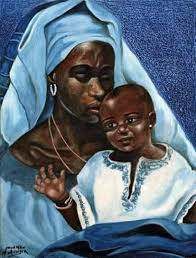
Easter Sunday Celebrations
..........................
Easter Sunday is the central feast of the Catholic Church, celebrating the resurrection of Jesus Christ
and the triumph of life over death.
...........
.................
Core Significance
Easter Sunday marks the resurrection of Jesus Christ from the dead, which is the foundation of
the Catholic faith and the ultimate proof of God’s love and mercy. It is the culmination of Holy Week,
following Good Friday and the reflection of Lent, and signals the beginning of the Easter season in
the liturgical calendar. The resurrection demonstrates that sin and death have been conquered,
offering believers the promise of eternal life and spiritual renewal.
......................................
Liturgical and Spiritual Practices
Catholics celebrate Easter with the Easter Vigil, often held at midnight, which is considered the
"Mother of All Vigils" and includes the lighting of the Paschal Candle, symbolizing Christ as the
true Light of the world. The Easter season extends for 50 days, from Easter Sunday to Pentecost,
emphasizing the joy of glorified life and the victory over death. During this time, Catholics greet
each other with “Christ is risen” and respond, “He is risen indeed!”, reinforcing the reality of
Christ’s resurrection and the hope it brings.
...................................
..................................................
Easter is not just a single holy day but the heart of the Christian faith. Without it, Catholic
teachings and traditions would lack their ultimate purpose. The resurrection confirms that
Jesus’ sacrifice on the cross was effective in redeeming humanity from sin, and it assures
believers that faith in Christ is alive and powerful. It also symbolizes a new beginning,
inviting Catholics to leave behind old ways and embrace a life renewed by the risen Lord.
.....................................
............................................
Connection to Catholic Life
Easter Sunday shapes the entire liturgical year, as many feasts and celebrations revolve
around it. Every Sunday Mass is considered a "little Easter," a weekly reminder of Christ’s
resurrection and the hope it brings. The celebration of Easter encourages repentance,
self-discipline, and spiritual focus, reflecting the 40 days of Lent that precede it,
and it inspires Catholics to live with gratitude, devotion, and trust in God’s promises.
In essence, Easter Sunday is the most important feast in Catholicism, symbolizing
victory over death, the promise of eternal life, and the renewal of faith through the
risen Christ.
..............................
Reference: Co-Pilot
................................
.............................
Articles-Latest
- Pope Leo's Travels 2026
- Donald Trump Insults Pope Leo
- Secrets of the Vatican
- Jews - Hebrews - Israelites - What is the Difference
- Easter Sunday Celebrations
- Job Beyond the Verses
- The Dark Fate of the Soldier who Crucified Jesus on the Cross
- What Happened to Jesus's 12 Apostles
- Book of Judges
- Fasting & Praying
- Pope Leo's Visit to Monaco
- Spiritual Warfare
- Prayers for Healing
- Night Prayers
- Prayers - To start your Day
- Palm Sunday 2026
- The 12 Tribes
- Revelations
- The Last Days
- The Book of Psalms
Articles-Most Read
- Home
- Plants that feel and Speak
- Let There Be Light
- The Singing Forest
- The Singing Forest-2
- Introduction
- Meditation
- Using Essential Oils for Spiritual Connection
- Making the Spiritual Connection
- Plants that Feel and Speak-2
- Heaven Scent
- Purification
- Anointing
- The Sanctity of Plants
- Essential Oils: The unseen Energies
- The Aroma Of Worship-Foreward
- Methods Of Use
- Spiritual Blending
- The Aroma Of Worship - Introduction
- Handling and Storage